
BLOG
A Complete Guide to Choosing and Planning Fencing for Toowoomba Homes, Acreage and Rural Properties
Choosing fencing for a Toowoomba property involves more than deciding what looks suitable from the street. The fence needs to match its purpose, the length and layout of the boundary, ground conditions, access points and the way the property is used.
These considerations become even more important when moving from a suburban block to acreage or a rural property. A short residential boundary fence has different requirements from a long fence line around livestock areas or open land.
Planning these details before construction helps avoid problems with fence position, unstable posts, awkward gates and materials that do not suit the property.
Start With What the Fence Actually Needs to Do
The purpose of the fence should guide the rest of the project. A residential boundary fence may primarily provide privacy and separation between neighbouring properties. Front fencing may need to balance visibility, access and the appearance of the home. Rural fencing may need to control livestock or clearly define large property boundaries.
Gate locations should be considered at the same time as the fence rather than added as an afterthought. A gate changes the loads placed on nearby posts and needs enough clearance to open properly.
Vehicle access also requires sufficient width and suitable ground around the opening. On acreage, machinery, trailers and other equipment may require substantially more clearance than a standard pedestrian or residential gate.
Pool barriers require a different approach again because the fence and gate form part of a regulated safety barrier. Their dimensions, openings and surrounding areas must satisfy applicable pool safety requirements.
Ground Conditions Can Affect the Fence From Below
Posts provide the structural support for most fence systems, which makes the ground they sit in a major consideration.
Parts of the Darling Downs have reactive clay soils. These soils change volume as moisture conditions change, swelling when wet and shrinking as they dry. Ground movement can affect structures supported by the soil, including fence posts.
The condition of the individual block still matters. Drainage, previous earthworks, fill, slopes and low areas where water collects can create different conditions along the same fence line.
A fence that crosses changing ground levels also needs its layout considered before installation. Panels or rails may need to follow the slope or change levels in controlled steps. Setting posts without considering these changes can leave inconsistent gaps underneath the fence or an uneven top line.
This is why measuring only the total boundary length does not provide enough information to plan a fence properly. Levels, access, ground conditions, existing posts and gate positions all influence the work involved.
Check the Boundary Before Building
An existing fence should not automatically be treated as proof of the legal property boundary. Older fencing may have been positioned differently from the surveyed boundary, and changes to adjoining properties can make assumptions difficult.
Where the boundary position is uncertain, property owners should establish it before installing a permanent fence.
Dividing fences between neighbouring properties are also subject to Queensland's neighbourhood dispute laws. These laws establish processes concerning dividing fences and responsibilities between adjoining owners. They are particularly relevant when a fence sits on a shared boundary rather than entirely within one property.
Local planning requirements can also matter in certain situations. Toowoomba has heritage and character areas where the style of a front fence can contribute to the character of the property and streetscape. Toowoomba Regional Council identifies traditional forms including timber picket, post-and-rail with timber palings, and post-and-rail with chain mesh infill among historically used fence styles.
Checking these issues before removing an existing fence can prevent complications later.
Match the Fence to the Property
A suburban home, acreage block and working rural property place different demands on fencing.
Privacy may be a priority where neighbouring homes sit close together. On a larger block, long fence runs can make durability, maintenance and access more significant considerations. Rural properties may require fencing layouts that account for livestock movement, paddocks and gates used by machinery.
The surrounding property also affects planning. Gardens, retaining walls, sheds, driveways and existing structures can restrict access to the fence line. Established Toowoomba properties can present different access conditions from newer open blocks around growing areas such as Highfields.
Material selection should follow these practical requirements rather than appearance alone. Timber, steel and other fencing systems differ in maintenance needs, construction and how they work across slopes or particular property layouts.
Inspect the Entire Fence Line Before Work Starts
Walking the proposed fence line is one of the simplest ways to identify potential problems.
Look for changes in level, soft ground, drainage paths, existing concrete, large roots and structures close to the boundary. Check where gates need to sit and whether they will have enough room to operate without hitting the ground or nearby objects.
For replacement fencing, inspect the existing posts and surrounding ground rather than looking only at damaged panels or rails. A fence that repeatedly leans in one section may have an underlying post or ground problem that needs to be addressed rather than simply replacing the visible component.
Also consider what needs to come out before construction begins. Old posts, vegetation and accumulated material along a boundary can affect access and setting out.
Good fencing starts with understanding the property. For Toowoomba homes, acreage and rural blocks, the fence purpose, boundary position, ground conditions, levels and access should all be clear before posts go into the ground.


DISCOVER WHAT OUR CUSTOMERS HAVE TO SAY ABOUT US
REVIEWS
our process
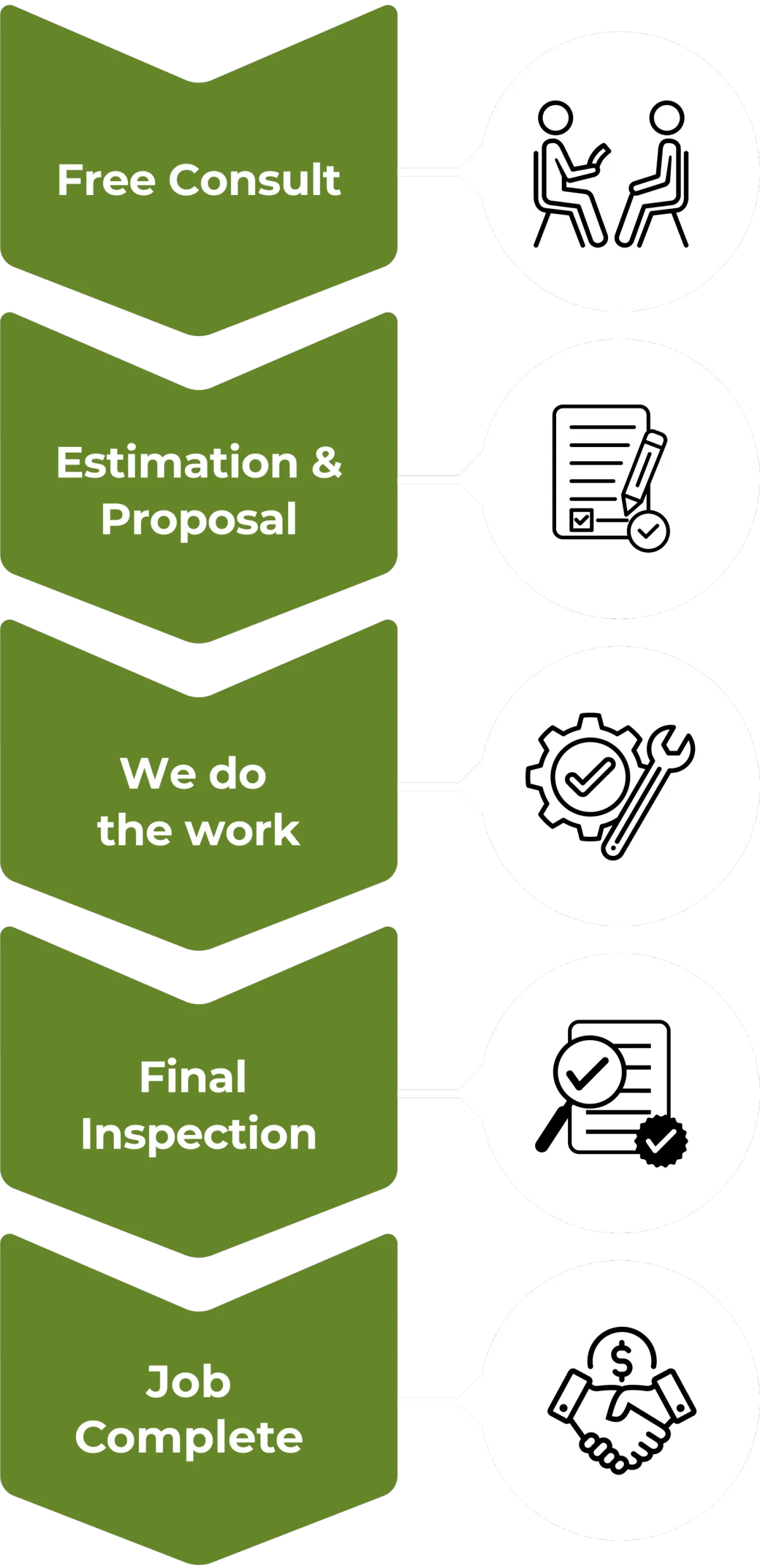
Our process is simple and only contains a few simple steps

SERVICE AREAS
proudly serving Toowoomba
Toowoomba
Withcott
Helidon
Gatton
Highfields
Meringandan
Hampton
Lockyer Valley
Esk
Plainland

frequently asked questions
Find clear answers to the questions we’re asked most often.
How does the repair process work?
Once you contact Appliance Repair Solutions, a technician will discuss the issue with you and arrange a suitable inspection time. The problem is diagnosed on site, and clear advice is provided before any repair work begins. The goal is to complete repairs efficiently while keeping communication straightforward throughout the process.
How quickly can I book a technician?
Service availability depends on your location and the type of appliance issue. In many cases, same day or next day bookings may be available across Sydney. The team aims to respond promptly and provide flexible scheduling where possible.
Do you provide quotes before starting repairs?
Yes. After assessing the appliance and identifying the fault, you will receive clear information about the recommended repair and expected costs. This helps customers make informed decisions before approving any work.
What should I do before the technician arrives?
It helps to clear access around the appliance and make note of any error codes or unusual behaviour. If possible, have the appliance model number available as this can assist with diagnosing the issue faster. The technician will guide you through anything else needed when confirming the booking.
What should I do before the technician arrives?
It helps to clear access around the appliance and make note of any error codes or unusual behaviour. If possible, have the appliance model number available as this can assist with diagnosing the issue faster. The technician will guide you through anything else needed when confirming the booking.
proudly serving Baulkham Hills
Homebush
Gladesville
Leichhardt
North Sydney
Mosman
Box Hill
Marsden park

Trusted & Accredited Plumbers


READY TO take the next step?
get a free quote TODAY!
Alan’s Fencing and Handyman Service
103 Connoles Rd, Postman’s Ridge, QLD 4352
