
SERVICES
Retaining Walls
Retaining walls provide support for soil, manage changes in ground level and create more practical outdoor areas.
GET A FREE QUOTE
100% local
Reasonable Pricing
INSURED
Fully Licensed
What Are Retaining Walls?
Retaining walls hold soil in place where properties have different ground levels, slopes or areas that need additional support. They commonly appear around garden beds, yards, driveways, paths and other landscaped sections where unsupported soil could move or wash away. In and around Toowoomba, sloping blocks and changes in ground level can make retaining walls a practical part of residential outdoor areas. A wall needs a stable base, suitable construction and appropriate drainage so water does not build up behind it and place unnecessary pressure on the structure. Leaving soil movement or an ageing retaining wall unattended can lead to leaning, cracking, erosion and changes to the surrounding ground. In some situations, nearby fences, paths or landscaped areas can also become affected. Queensland requirements can vary according to the wall's height, location and relationship to boundaries or other structures, so property conditions need consideration before work begins.
Why Choose Alan’s Fencing and Handyman Service for Retaining Walls
Built With Long-Term Use in Mind
Alan approaches property work with the aim of building it to last. Retaining walls remain under ongoing pressure from soil, moisture and changing ground conditions, so careful construction matters. His focus on durability suits structures that need to remain stable while supporting garden areas, yards and changes in ground level over time.
Attention to the Small Details
A retaining wall relies on more than the visible face of the finished structure. Alignment, levels and the way different sections come together all affect the finished result. Alan focuses on completing every detail properly and does not take shortcuts, providing a careful approach to retaining wall work around residential outdoor areas.
Practical Property Experience
Before starting fencing work in Toowoomba, Alan owned a property where he completed extensive manual work, fencing and cattle yard construction. That practical background provides experience working with outdoor structures and demanding property projects. It supports a straightforward approach to retaining walls where site conditions, ground levels and the intended use of the surrounding area all matter.
Careful Work Around Existing Areas
Retaining walls often sit alongside fences, gardens, paths, yards and other established parts of a property. Alan's broader fencing and handyman work provides practical experience working around different outdoor structures. This allows the retaining wall to be approached as part of the wider property rather than treating the wall as an isolated feature.

What Retaining Walls Covers
Retaining wall work covers structures used to hold back soil and manage differences in ground level around residential properties. This can include walls beside gardens, landscaped sections, yards, paths and other outdoor areas where soil requires support. The work involves considering the wall position, surrounding ground, levels and how water will move through or around the area. Existing retaining walls may also need attention where sections have deteriorated, shifted or no longer provide suitable support for the soil behind them.
Signs You Need Retaining Walls
Visible soil erosion, sloping ground that continually washes into lower areas and unstable garden edges can indicate that a retaining wall may be needed. Existing walls can show problems through leaning sections, movement, cracking, separation between components or soil pushing through gaps. Water collecting behind a wall or washing soil away from its base can also indicate drainage or stability concerns. Changes around nearby fences, paths or garden areas may become noticeable when the ground starts moving and no longer remains properly supported.
DISCOVER WHAT OUR CUSTOMERS HAVE TO SAY ABOUT US
REVIEWS
our process
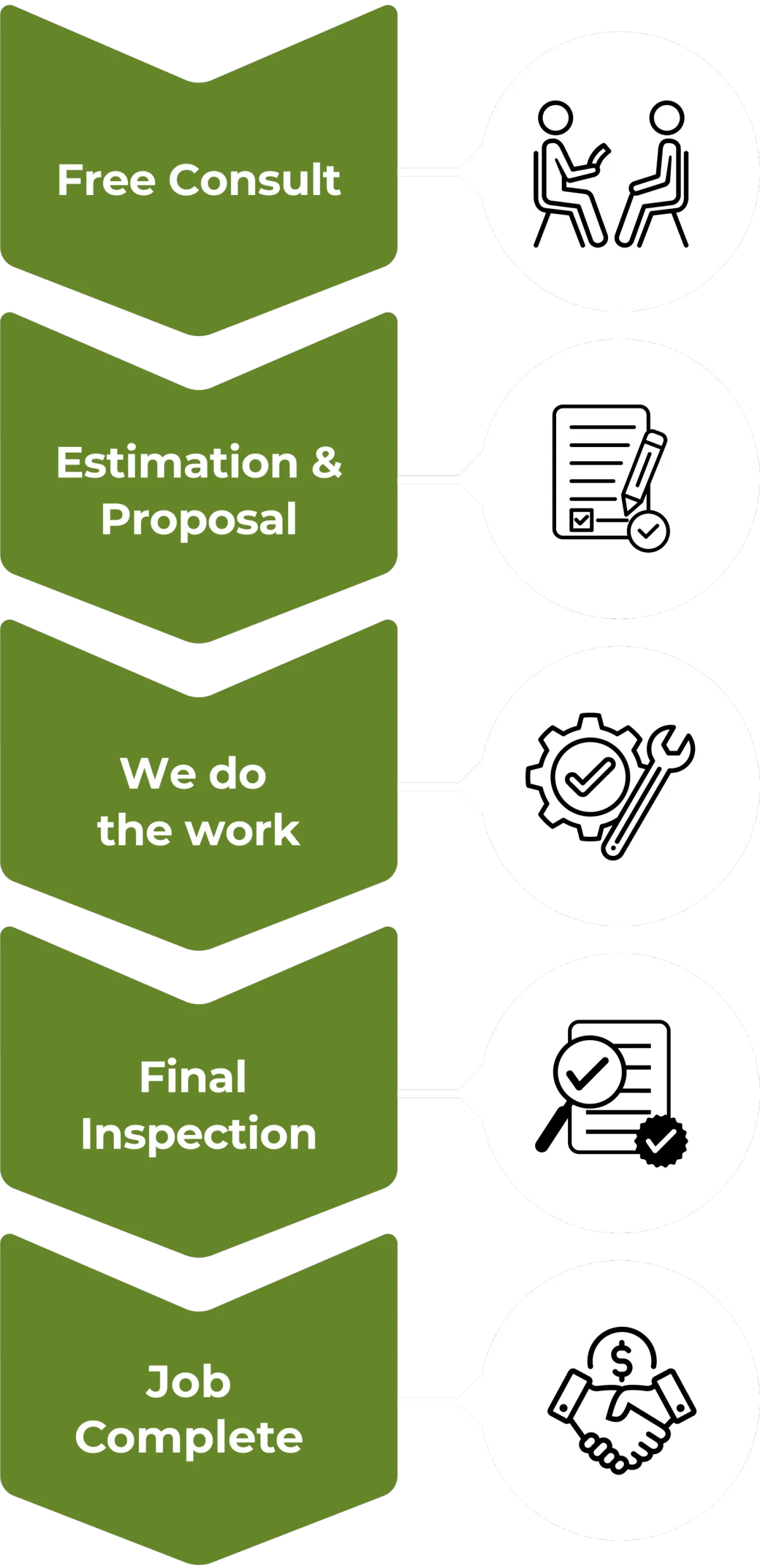
A simple process from first call to finished job.

SERVICE AREAS
proudly serving Toowoomba

frequently asked questions
Find clear answers to the questions we’re asked most often.
How does the repair process work?
Once you contact Appliance Repair Solutions, a technician will discuss the issue with you and arrange a suitable inspection time. The problem is diagnosed on site, and clear advice is provided before any repair work begins. The goal is to complete repairs efficiently while keeping communication straightforward throughout the process.
How quickly can I book a technician?
Service availability depends on your location and the type of appliance issue. In many cases, same day or next day bookings may be available across Sydney. The team aims to respond promptly and provide flexible scheduling where possible.
Do you provide quotes before starting repairs?
Yes. After assessing the appliance and identifying the fault, you will receive clear information about the recommended repair and expected costs. This helps customers make informed decisions before approving any work.
What should I do before the technician arrives?
It helps to clear access around the appliance and make note of any error codes or unusual behaviour. If possible, have the appliance model number available as this can assist with diagnosing the issue faster. The technician will guide you through anything else needed when confirming the booking.
What should I do before the technician arrives?
It helps to clear access around the appliance and make note of any error codes or unusual behaviour. If possible, have the appliance model number available as this can assist with diagnosing the issue faster. The technician will guide you through anything else needed when confirming the booking.
proudly serving Baulkham Hills
Homebush
Gladesville
Leichhardt
North Sydney
Mosman
Box Hill
Marsden park

Trusted & Accredited Plumbers


FREQUENTLY ASKED QUESTIONS
Your questions answered
What does a retaining wall actually do?
A retaining wall holds soil where the ground changes height and prevents unsupported earth from moving into a lower area. Homeowners commonly use them around sloping yards, gardens and landscaped sections. A correctly planned wall can also make different levels of an outdoor area easier to manage and maintain.
Does a retaining wall need drainage behind it?
Drainage is an important consideration because water can collect in the soil behind a retaining wall and increase pressure against the structure. The appropriate drainage arrangement depends on the wall and site conditions. Managing water movement helps protect the wall and reduces problems associated with saturated soil and erosion.
Why is my existing retaining wall starting to lean?
A retaining wall can begin leaning when soil pressure, water build-up, ground movement or deterioration affects its stability. Movement may become progressively more noticeable rather than appearing suddenly. A leaning wall should be assessed before surrounding soil movement creates further problems for nearby gardens, fences, paths or other parts of the property.
Can a retaining wall be built on a sloping backyard?
Yes, retaining walls commonly help manage sloping residential blocks. They can hold soil between different ground levels and create defined areas within a yard. The slope, soil conditions, wall position, drainage and surrounding structures all affect how the retaining wall needs to be planned for a particular property.
READY TO take the next step?
get a free quote TODAY!
Alan’s Fencing and Handyman Service
103 Connoles Rd, Postman’s Ridge, QLD 4352
